About FORMA
FORMA exists to give Singapore's aluminium window and door systems a brand people actually choose — not just accept.
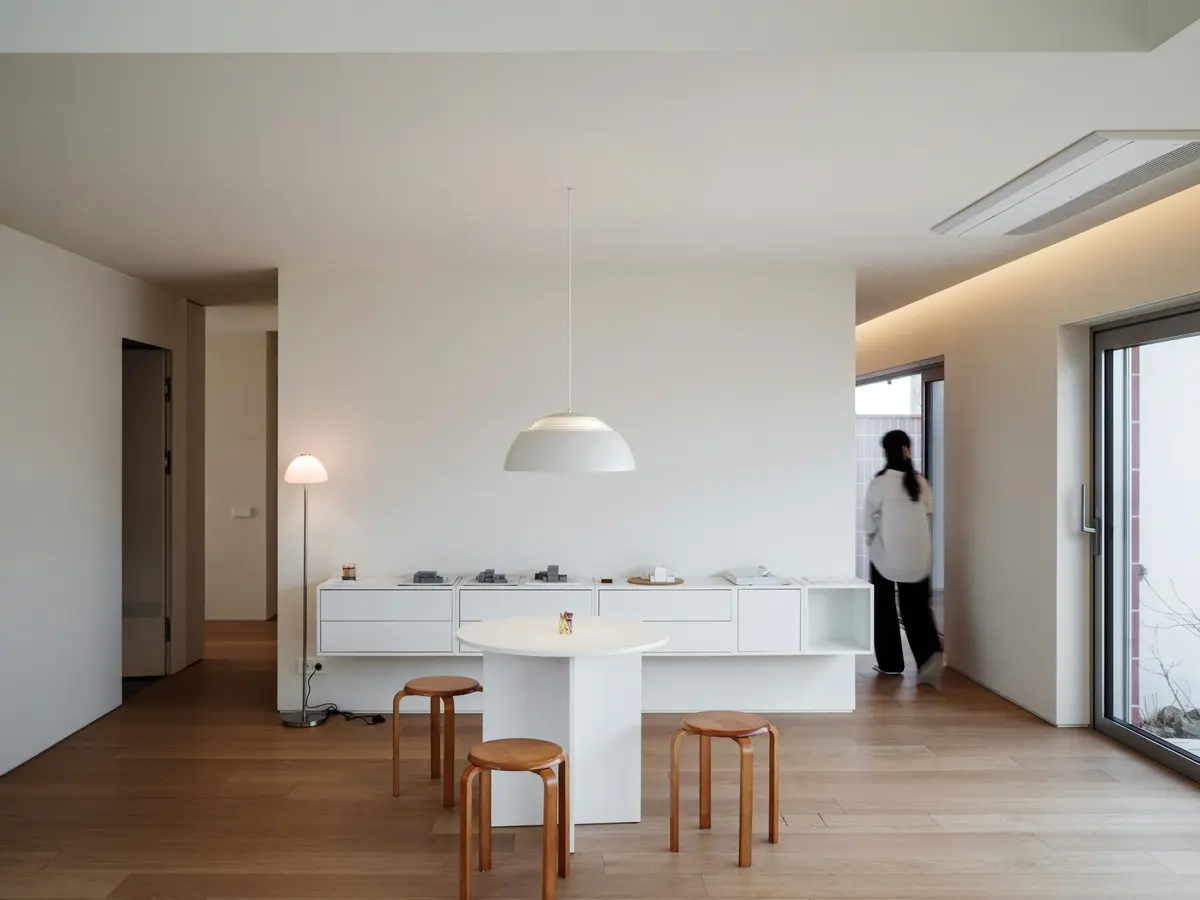
FORMA is based in Singapore.
Where the name comes from
The name FORMA comes from "forming" — forming a team, a body of work, a standard for a category that has never really had one. It is deliberately a name that can hold more than a single product line as the business grows, rather than describing just one item you buy once and forget.
What the business is meant to be
Aluminium and glazing systems in Singapore are usually bought as a commodity — priced on the lowest quote, chosen by whoever happens to be available, and forgotten the moment installation is finished. FORMA is built around a different idea: that a window or door system can be designed, not merely fitted — considered for proportion and light the same way the rest of a building is, and finished to a standard that still holds up to scrutiny long after installation.
The ambition is straightforward: to be the name people in Singapore reach for when they want their glazing to look intentional, the way people already reach for a name in appliances or in cars — not simply the cheapest quote on a list.
How we think about the work
Every window and door is a piece of the building's face — it decides how light enters a room and how a facade reads from the street. FORMA's approach starts there: get the proportion and the sightlines right first, then engineer the performance to match, then hold the finish to a standard that survives Singapore's climate, not just the showroom.
Design, technology and analysis
The people
The systems we sell under our own name are the work of a team of product designers, mechanical engineers and R&D specialists — people whose job is the part of a window nobody sees: the bearing that has to stay smooth after four hundred thousand cycles, the seal that has to hold a monsoon, the tolerance that decides whether a six-metre panel still closes cleanly in ten years. A window is only as good as the decisions taken before anyone can see it.
The design technology
Our own systems are built on a patented stainless-steel bearing design that lets very large panels glide by hand, a robotic production line rather than hand assembly, and a gear transmission built from rigid high-polymer materials chosen because they barely expand or contract with heat — which is what keeps an electric door running to the same tolerance in year five as on the day it was commissioned. The portfolio behind that work runs to more than forty invention and utility patents.
The analysis
Claims about a window are worth what the testing behind them is worth. Our own systems are tested by independent laboratories against the standards that actually govern this category — EN 14351-1 by TÜV Rheinland, AS 2047 and AS 1530.8 by Intertek — and the performance figures we publish reference those standards by name, with the report number and the date. Where a figure has not been tested, we do not publish it.